

When Is Tooth Pain a Dental Emergency?
Tooth pain can be frustrating, distracting, and sometimes frightening. A mild ache may come and go, but sharp pain, swelling, sensitivity, or pressure can be signs that something more serious is happening below the surface.
Many people are unsure whether they should wait for a regular dental appointment or call an emergency dentist right away. While not every toothache is a dental emergency, certain symptoms should never be ignored.
For patients in Hayden, Coeur d’Alene, Rathdrum, Post Falls, and the surrounding North Idaho area, knowing when to seek urgent dental care can help protect your smile and prevent a small problem from becoming much worse.
What Counts as a Dental Emergency?
A dental emergency is any oral health issue that requires prompt attention to relieve pain, stop an infection, save a tooth, or prevent further damage. Some dental emergencies happen suddenly, such as a knocked-out tooth or broken crown. Others develop over time, such as an untreated cavity that turns into an infection.
You may need emergency dental care if you are dealing with:
Severe tooth pain
Swelling in the gums, jaw, or face
A broken or cracked tooth
A knocked-out tooth
A lost filling or crown
Dental infection or abscess symptoms
Bleeding that does not stop
Pain that wakes you up at night
Difficulty chewing due to sudden pain
If you are experiencing any of these symptoms, it is best to call a dentist rather than waiting it out.

Severe Tooth Pain Should Not Be Ignored
Occasional sensitivity is common, especially with cold drinks or sweet foods. However, severe tooth pain is different. If your tooth pain is sharp, throbbing, constant, or getting worse, it may be a sign of decay, nerve irritation, infection, or trauma.
Tooth pain may be more urgent if it:
Keeps you from sleeping
Gets worse when biting down
Throbs throughout the day
Spreads into the jaw, ear, or head
Comes with swelling or fever
Does not improve with basic home care
Pain is your body’s way of telling you that something needs attention. Even if the pain fades temporarily, the underlying issue may still be present.
If your discomfort feels urgent, Emergency Dentistry at Hayden Lake Family Dental may be the right place to start.
Swelling Can Be a Warning Sign
Swelling around a tooth, gumline, jaw, or cheek may indicate infection. Dental infections should be taken seriously because they can spread beyond the tooth if left untreated.
Signs of a possible dental infection include:
Swollen gums
A pimple-like bump on the gums
Facial swelling
Bad taste in the mouth
Fever
Throbbing pain
Pain when chewing
Sensitivity to hot or cold
Swollen lymph nodes
If you notice swelling, do not wait several days to see if it goes away on its own. A dentist can evaluate the area and recommend treatment before the infection worsens.
What to Do If You Break or Chip a Tooth
A broken tooth may or may not hurt right away. Some chips are minor, while deeper cracks can expose sensitive inner layers of the tooth. Even if the tooth does not hurt, it is still important to have it examined.
A broken or chipped tooth may happen from:
Biting something hard
A sports injury
A fall
Tooth decay weakens the tooth
An old filling is breaking down
Grinding or clenching
Until your appointment, avoid chewing on the affected side and try to keep the area clean. If there is a sharp edge, dental wax or sugar-free gum may help protect your tongue or cheek until you can be seen.
Depending on the extent of the damage, treatment may include bonding, a filling, a crown, or another restorative option. You can also explore Hayden Lake Family Dental’s full list of dental services to better understand related care options.
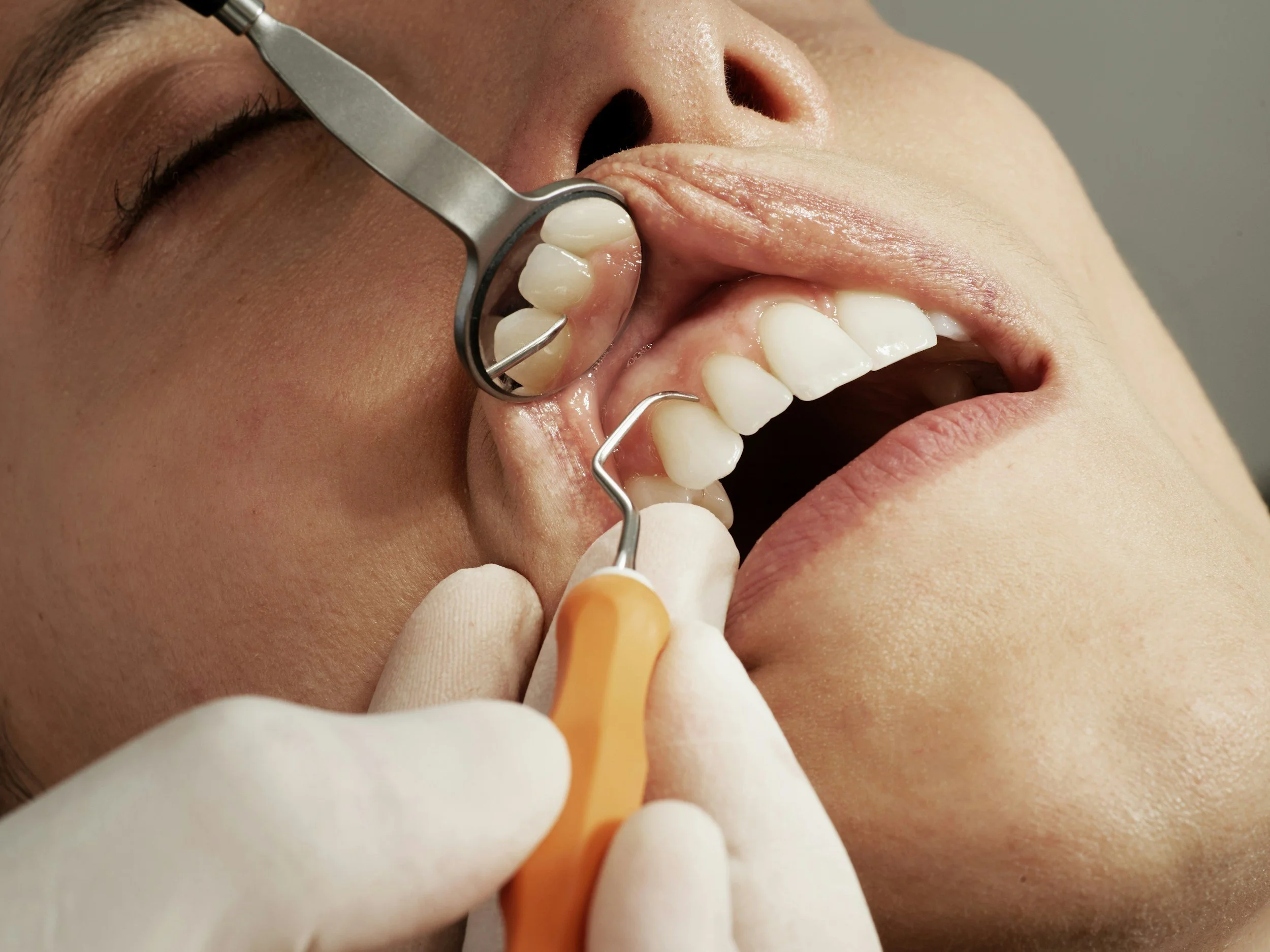
A Knocked-Out Tooth Needs Immediate Attention
A knocked-out permanent tooth is one of the most time-sensitive dental emergencies. Acting quickly can increase the chance of saving the tooth.
If a permanent tooth is knocked out:
Pick it up by the crown, not the root
Rinse it gently if it is dirty
Do not scrub the tooth
Try to place it back in the socket if possible
If you cannot place it back, keep it moist in milk or saliva
Call a dentist immediately
The sooner you receive dental care, the better the chance of preserving the tooth.
Lost Fillings and Crowns Can Become Urgent
A lost filling or crown may not seem serious at first, but it can leave the tooth exposed and vulnerable. Without protection, the tooth may become sensitive, crack further, or develop decay.
You should call a dentist if:
A crown falls off
A filling comes loose
The tooth becomes painful
The area feels sharp
You cannot chew comfortably
The exposed tooth is sensitive to temperature
Try to avoid chewing on that side until your dentist can evaluate the tooth. If you still have the crown, bring it with you to your appointment.
When Tooth Pain Can Wait for a Regular Appointment
Some symptoms may not require emergency care, but they should still be evaluated. Mild sensitivity, a small chip without pain, or occasional discomfort may be able to wait for a routine appointment.
However, it is still wise to schedule a visit if symptoms continue. Minor dental issues are often easier and more affordable to treat when they are caught early.
You may be able to schedule a regular visit if you have:
Mild sensitivity that comes and goes
A small chip with no pain
Slight gum irritation
Minor discomfort that improves
A concern you want checked before it gets worse
If you are unsure, call the dental office and explain your symptoms. The team can help determine whether you need urgent care or a standard appointment.
How Emergency Dental Treatment Helps
Emergency dental care focuses on relieving pain, diagnosing the problem, and protecting your oral health. The exact treatment depends on what is causing the issue.
Possible treatments may include:
Filling replacement
Crown repair or replacement
Root canal treatment
Tooth extraction
Dental bonding
Antibiotic support when appropriate
Treatment planning for follow-up care
The goal is to address the immediate concern while also helping you understand what needs to happen next.
How to Reduce Your Risk of Dental Emergencies
Not every dental emergency can be prevented, but many can be reduced with consistent care and healthy habits.
You can lower your risk by:
Scheduling routine cleanings and exams
Treating cavities early
Wearing a mouthguard if you grind your teeth
Wearing a sports guard during contact activities
Avoiding chewing ice or hard objects
Replacing old or damaged dental work
Calling your dentist when pain first appears
Preventive care helps your dentist catch small concerns before they become urgent problems.
Emergency Dental Care in Hayden, ID
Tooth pain, swelling, broken teeth, and lost fillings can quickly interrupt your day. When symptoms feel serious, waiting too long can lead to more pain, more damage, and more complicated treatment.
At Hayden Lake Family Dental, patients in Hayden and the surrounding North Idaho communities can receive personalized care for urgent dental concerns. Whether you are dealing with a toothache, broken tooth, lost crown, or another dental emergency, the team can help you understand your options and take the next step toward relief.
Frequently Asked Questions Around Dentistry
-
For most patients, yes. Six-month visits allow dentists to identify and treat small problems before they become larger concerns. However, some patients may need more frequent appointments depending on their oral health.
-
Daily brushing and flossing are essential, but they cannot remove hardened tartar. Professional cleanings help eliminate buildup and reduce the risk of cavities and gum disease.
-
Most children should visit the dentist every six months. Regular exams help monitor development and establish healthy oral hygiene habits early in life.
-
It's never too late to restart your dental care routine. Your dentist will evaluate your current oral health and create a personalized treatment plan to help restore and maintain your smile.
