

What to Expect During a Dental Cleaning and Exam
For many people, a dental cleaning feels routine. For others, especially those visiting a new dentist or returning after several years, it can bring up questions about what will happen, how long it will take, and whether anything uncomfortable will be involved.
The good news is that a routine dental cleaning and exam is one of the simplest and most important ways to protect your long-term oral health. These visits allow your dentist and hygienist to remove buildup, check for early signs of dental concerns, and help you stay ahead of problems before they become more serious.
For patients in Hayden, Coeur d’Alene, Rathdrum, Post Falls, and surrounding North Idaho communities, regular preventive dental care can make a major difference in maintaining a healthy and confident smile.
Why Dental Cleanings Are Important
Brushing and flossing at home are essential, but they cannot do everything. Over time, plaque can harden into tartar, which cannot be removed with a toothbrush alone. When tartar sits along the gumline, it can increase the risk of cavities, gum inflammation, bad breath, and periodontal disease.
A professional dental cleaning helps remove this buildup while giving your dental team a chance to evaluate your teeth, gums, bite, and overall oral health.
At Hayden Lake Family Dental, preventive care is focused on helping patients maintain strong teeth, healthy gums, and confidence in their smile at every stage of life.

Reviewing Your Dental and Medical History
Your visit may begin with a review of your dental and medical history. This is especially important if you are a new guest or if anything has changed since your last appointment.
Your dental team may ask about:
Current medications
Recent health changes
Past dental treatment
Tooth sensitivity
Jaw pain or headaches
Bleeding gums
Dental anxiety
Cosmetic goals or smile concerns
Your overall health and oral health are closely connected. Sharing accurate information helps your dentist provide safer, more personalized care.
If this is your first appointment with the office, the New Dental Guests page can help you get familiar with the practice before your visit.
Digital X-Rays When Needed
Depending on your dental history and the timing of your last images, your visit may include digital X-rays. These images allow your dentist to see areas that are not visible during a standard visual exam.
Digital X-rays may help identify:
Cavities between teeth
Bone loss
Infections
Impacted teeth
Cracked or damaged roots
Problems beneath existing fillings or crowns
Not every visit requires X-rays, but they are an important diagnostic tool when your dentist needs a deeper look at your oral health.
Gum Health Evaluation
Your hygienist will also evaluate the health of your gums. This may include measuring the small spaces between your teeth and gums, often called periodontal pockets.
Healthy gums usually fit snugly around the teeth. Deeper pockets may indicate gum inflammation or periodontal disease.
Your dental team may look for:
Bleeding
Swelling
Gum recession
Tenderness
Loose teeth
Signs of bone loss
This part of the exam is important because gum disease can progress quietly. Many patients do not feel pain in the early stages, which is why routine exams matter.
Plaque and Tartar Removal
The cleaning itself usually begins with removing plaque and tartar from your teeth. Your hygienist uses specialized dental instruments to clean around the gumline and between teeth.
This step is important because tartar cannot be removed through brushing and flossing at home. Once it hardens, it needs to be removed professionally.
Some areas may feel more sensitive than others, especially if there is buildup, gum inflammation, or recession. If you feel uncomfortable at any point, you can let your hygienist know.
Polishing Your Teeth
After plaque and tartar are removed, your teeth are polished. This helps remove surface stains and leaves your teeth feeling smooth and clean.
Polishing is not just about appearance. A smoother tooth surface can make it harder for plaque to collect immediately after your cleaning.
Many patients notice that their smile feels fresher and brighter after this step.
Flossing and Home Care Guidance
Your hygienist may floss your teeth and discuss your home care routine with you. This is a great time to ask questions about brushing technique, flossing, water flossers, electric toothbrushes, or products for sensitivity.
Your recommendations may be different depending on your needs. For example, someone with gum recession may need a different approach than someone with braces, crowns, implants, or a history of cavities.
Personalized guidance can help you care for your teeth more effectively between appointments.
Comprehensive Dental Exam
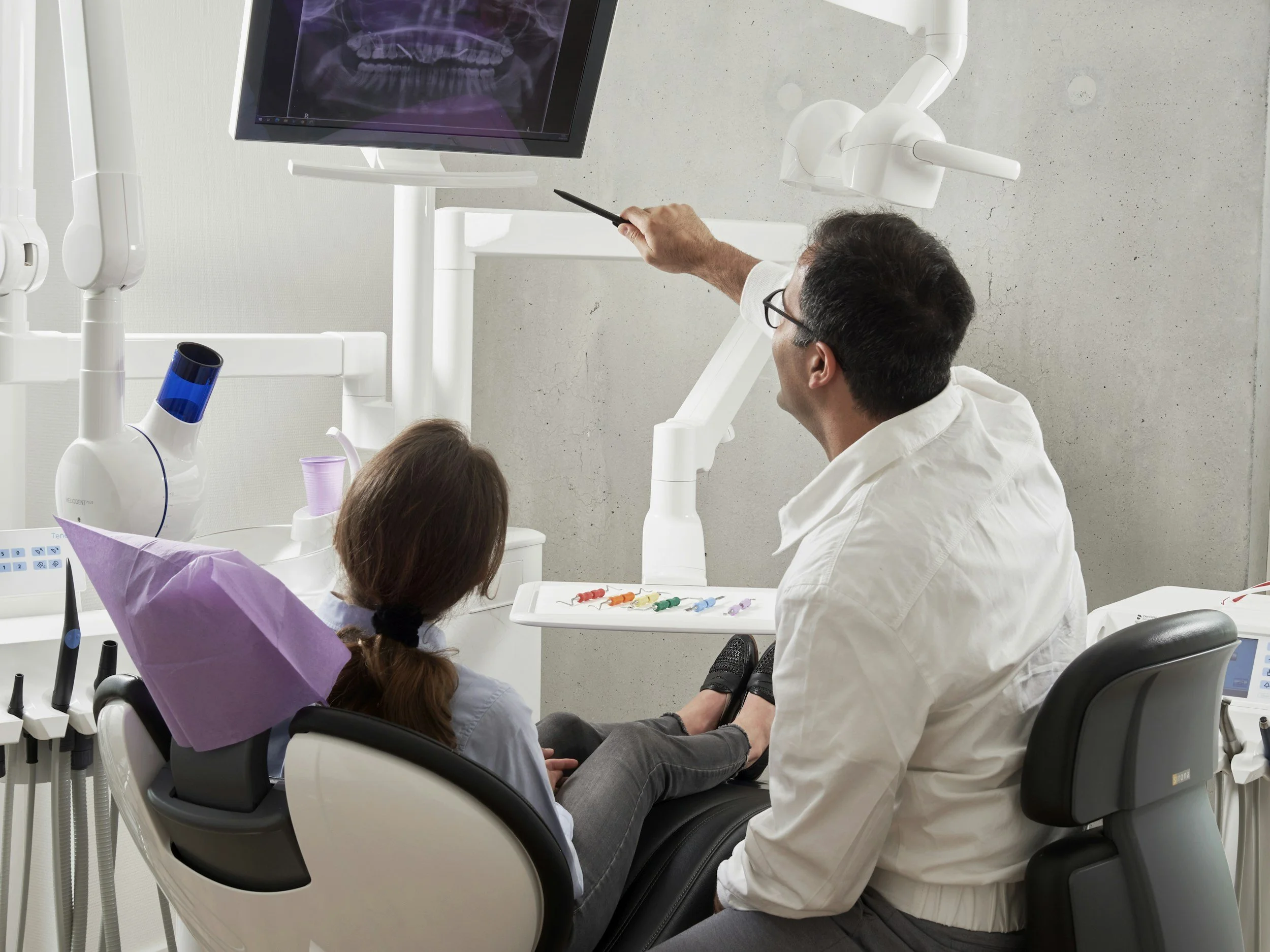
After your cleaning, your dentist will complete an exam. This may include checking your teeth, gums, bite, jaw, existing dental work, and any areas of concern.
Your dentist may look for:
Cavities
Cracked or worn teeth
Damaged fillings or crowns
Bite issues
Signs of grinding or clenching
Oral cancer warning signs
Gum disease
Infection or inflammation
If your dentist finds anything that needs attention, they will explain what they see and discuss your options. The goal is to help you understand your oral health clearly so you can make confident decisions about treatment.
What If You Need Additional Treatment?
Sometimes a cleaning and exam reveal an issue that needs follow-up care. This might include a filling, a crown, a deep cleaning, a root canal, an extraction, or emergency dental treatment.
If treatment is recommended, your dentist should explain:
What is the concern
Why is treatment being recommended
How urgent it is
What options are available
What to expect during the procedure
Hayden Lake Family Dental offers a wide range of dental services, including preventive, cosmetic, restorative, and specialized care. If you are dealing with tooth pain, a broken tooth, or a lost filling, their Emergency Dentistry services may be helpful.
How Long Does a Dental Cleaning Take?
A routine dental cleaning and exam typically take 45 to 90 minutes, depending on your needs. New guest appointments may take longer because your dental team needs time to review your history, take any necessary images, and complete a comprehensive evaluation.
If it has been several years since your last cleaning, your appointment may take longer or require a different type of cleaning. That is completely normal. The purpose of the visit is not to judge where you are starting from, but to help you move forward with a clear plan.
How Often Should You Schedule Dental Cleanings?
Many patients benefit from dental cleanings every six months. However, some people need more frequent visits depending on their gum health, cavity risk, medical history, or past dental treatment.
You may need cleanings more often if you:
Have gum disease
Are prone to cavities
Smoke or use tobacco
Have diabetes
Experience dry mouth
Have heavy tartar buildup
Wear braces or clear aligners
Have dental implants or extensive restorative work
Your dentist can recommend the schedule that best fits your oral health.
A Comfortable Dental Cleaning Experience in Hayden, ID
A dental cleaning and exam should help you feel informed, supported, and confident about your oral health. Whether you are scheduling a routine visit, looking for a new family dentist, or returning to care after a long break, preventive dentistry is one of the best ways to protect your smile.
At Hayden Lake Family Dental, patients receive personalized, comfort-focused care in Hayden, Idaho. From routine cleanings to more advanced dental needs, the team is here to help guests throughout Hayden, Coeur d’Alene, Rathdrum, Post Falls, and the surrounding North Idaho area.
To take the next step, you can make a reservation and schedule your next dental cleaning and exam.
Frequently Asked Questions Around Dentistry
-
A routine dental cleaning should not be painful, but some patients may feel sensitivity around the gums or teeth. If you have inflammation, recession, or heavy tartar buildup, certain areas may feel more tender. Let your hygienist know if you are uncomfortable so they can adjust your care.
-
Most patients should schedule a dental cleaning every six months. However, patients with gum disease, frequent cavities, dry mouth, or certain health conditions may need cleanings every three or four months.
-
A regular cleaning is preventive and focuses on removing plaque and tartar from teeth and around the gumline. A deep cleaning, also called scaling and root planing, is used when bacteria and buildup are present below the gumline due to gum disease.
-
Yes. It is never too late to restart your dental care routine. Your dentist will evaluate your current oral health, explain what they find, and recommend a plan that helps you move forward comfortably.
